
Preparing for Move-In Day
Moving into student accommodation is an exciting milestone, but it can also feel overwhelming. For many students, it’s the first time living away from home, managing their own space, and being responsible for everything from packing to daily routines. With so many things to think about, it’s easy to feel unsure about what you actually need and what can be left behind.
Being organised before you arrive makes a huge difference. A clear plan helps you pack efficiently, avoid unnecessary spending, and settle in more quickly once you get there. Instead of scrambling on move-in day, you can focus on getting comfortable, meeting new people, and easing into university life.

This checklist is designed for all students moving into accommodation, whether you’re a first-year heading to university for the first time, a returning student changing properties, or an international student preparing for a move to the UK. Each group faces slightly different challenges, but good preparation benefits everyone.
By following this guide, you’ll avoid some of the most common move-in mistakes, such as overpacking, forgetting important essentials, or bringing items that your accommodation already provides. The aim is to make your move-in day calmer, smoother, and far less stressful, so you can start your student experience on the right foot.
Table of Contents
- Preparing for Move-In Day
- What to Check Before You Start Packing
- Essential Documents to Bring
- Bedroom Essentials Checklist
- Bathroom Essentials (Ensuite vs Shared)
- Kitchen Essentials (What You Actually Need)
- Electronics & Tech Must-Haves
- Cleaning & Household Basics Students Often Forget
- What NOT to Bring
- Move-In Day Tips (What to Do First)
- International & First-Year Student Considerations
- Final Checklist Recap (Skimmable Summary)
- Explore Student Accommodation with StudentFM

What to Check Before You Start Packing
Before you start filling boxes or buying new items, it’s important to take a few minutes to confirm the key details of your move. This small amount of preparation can save you time, money, and stress later on.
First, double-check your move-in date and arrival time. Some student accommodations operate strict arrival slots, especially during busy intake periods. Knowing exactly when you can arrive helps you plan travel, avoid long waits, and settle in more smoothly.
Next, check what your accommodation already provides. Many student properties include furniture such as a bed, desk, chair, and storage, as well as kitchen appliances or shared facilities. Bringing items that are already supplied can waste space and add unnecessary hassle, so it’s always worth reviewing what’s included before packing.
It’s also important to understand what type of room you’re moving into. Whether you’re living in an ensuite, a studio, or a shared flat will affect what you need to bring. For example, studio living usually requires more kitchen and cleaning essentials, while shared flats may allow you to split certain items with flatmates.
Taking the time to review your student accommodation options helps you understand room layouts, inclusions, and shared spaces, making it easier to pack only what you actually need.
By checking these details early, you can avoid overpacking, reduce unnecessary spending, and arrive better prepared for move-in day.

Essential Documents to Bring
Before you focus on clothes, kitchenware, or décor, make sure your important documents are packed and easy to access. These are the items you’ll need straight away when moving into student accommodation, and forgetting them can cause unnecessary delays or stress.
You should bring a valid photo ID, such as a passport or driving licence. This is often required for check-in, collecting keys, or verifying your identity with your accommodation provider and university.
Your accommodation confirmation and tenancy details are also essential. Having a digital or printed copy of your booking confirmation, contract, and property address can be helpful if there are any questions on arrival.
Make sure you have your university acceptance details to hand as well. These may be needed when registering, collecting your student ID, or accessing campus services during your first few days.
Student finance or funding information is another key item. This includes loan confirmation, scholarship details, or bursary information, which may be useful for banking, budgeting, or university administration.

Don’t forget your NHS number and any relevant medical information. If you need to register with a local GP or access healthcare services, having these details ready will make the process much easier.
You should also bring your bank cards and basic banking details, especially if you need to set up direct debits or manage rent payments soon after moving in.
A helpful tip is to store digital copies of all important documents securely on your phone, cloud storage, or email. This gives you a backup if anything gets misplaced during the move.
For advice on settling in, managing stress, and looking after yourself during your first weeks, you can explore StudentFM’s student living support & wellbeing resources.
Once you arrive, you can explore StudentFM’s student living support & wellbeing resources.

Bedroom Essentials Checklist
Your bedroom is where you’ll sleep, study, and unwind, so getting the basics right from day one makes a big difference. While most student accommodation is furnished, you’ll still need to bring the essentials that turn it into a comfortable living space.
Start with your bedding, and always confirm the bed size before you pack. Student rooms commonly use single or small double beds, and bringing the wrong size duvet or sheets is an easy mistake to make.
You’ll need pillows, a duvet, and a mattress protector. Even if a mattress is provided, a protector helps keep it clean and adds an extra layer of comfort.
Clothes hangers and a laundry basket are often overlooked but quickly become essential. Storage space can be limited, so keeping things organised early helps avoid clutter.
Extension leads and chargers are particularly important, as plug sockets aren’t always positioned where you need them. Having enough power access for your phone, laptop, and desk setup will make everyday life much easier.
Make sure you pack your desk and laptop essentials, such as your laptop, charger, stationery, notebooks, and anything else you need for studying from your room.
Finally, bring a few personal touches to make the space feel like home. Photos, small pieces of décor, or familiar items can help you settle in faster and make your room feel more comfortable, especially during the first few weeks away from home.

Bathroom Essentials (Ensuite vs Shared)
What you need to bring for your bathroom will depend largely on whether you’re living in an ensuite room or sharing facilities with other students. Either way, having the right basics ready will make move-in day much smoother.
Start with towels and toiletries, including items like shampoo, shower gel, toothpaste, skincare, and any personal hygiene products you use daily. Bringing at least two towels is helpful so you always have a clean one available while the other is in the wash.
If you’re using a shared bathroom, a shower caddy or toiletry bag is extremely useful. This makes it easy to carry your essentials back and forth and helps keep everything organised, rather than leaving items scattered in communal spaces.
Flip-flops or sliders are strongly recommended for shared bathrooms and communal areas. They’re a simple addition but can make shared facilities feel much more comfortable and hygienic, especially during busy periods.
For students living in accommodation with a private bathroom, such as many ensuite student rooms, it’s also worth bringing a few basic cleaning items. A toilet cleaner, disinfectant spray, cloths, and spare toilet roll will help you stay on top of cleanliness from the start.
Understanding whether your room has a private or shared bathroom before you pack helps avoid bringing unnecessary items and ensures you’re properly prepared for your specific setup.
Kitchen Essentials (What You Actually Need)
When it comes to packing for the kitchen, it’s easy to overdo it. In reality, you only need a small set of basics to get started, especially if you’re sharing with other students.
Begin with the essentials: a plate, a bowl, a mug, a glass, and a basic set of cutlery. Bringing one or two of each is usually enough for day-to-day living without cluttering shared cupboards.
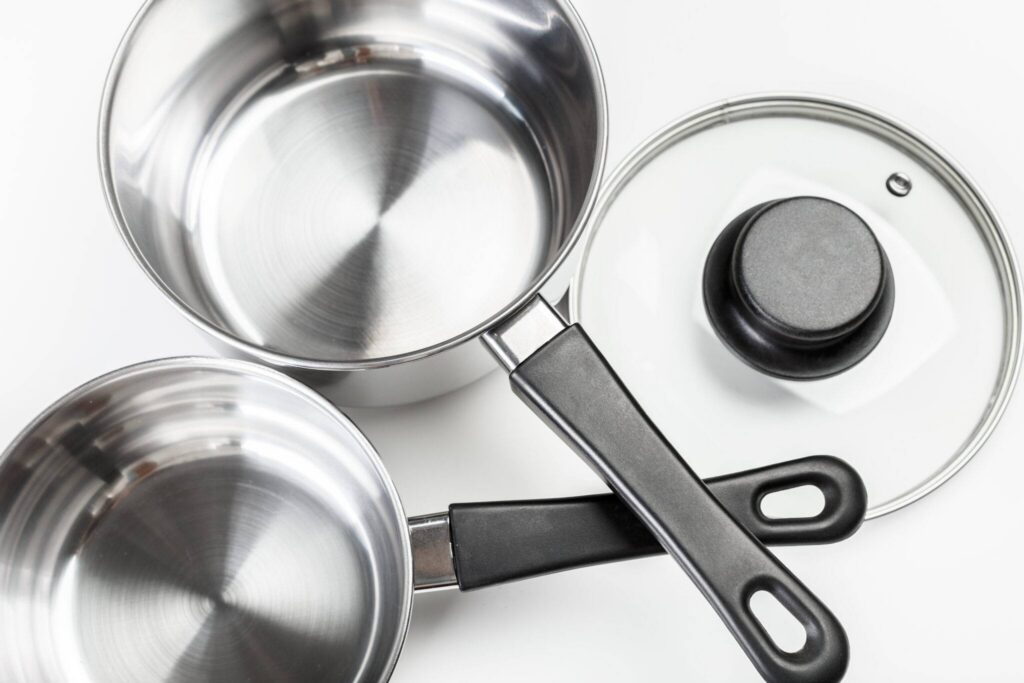
A couple of basic pans and utensils will cover most meals. A small saucepan, a frying pan, a chopping board, a sharp knife, and a wooden spoon or spatula are usually sufficient. There’s no need to bring specialist appliances or duplicate bulky items straight away.
Food storage containers are particularly useful, whether for leftovers, packed lunches, or keeping shared fridge space organised. Stackable containers help save space and keep things tidy.
Don’t forget tea towels and washing-up supplies, including washing-up liquid, a sponge or brush, and bin bags. Even if your accommodation provides some communal cleaning, having your own basics avoids awkward first-week situations.
In shared kitchens, less really is more. Limited cupboard and fridge space means overcrowding can quickly become frustrating. Bringing only what you personally need makes the space easier for everyone to use.
It’s also a good idea to coordinate with your flatmates after arrival. Once you’ve met each other, you can decide what’s worth sharing and what doesn’t need to be duplicated. This approach fits well with the kind of shared living and community-focused environments found in community-oriented student accommodation, where cooperation makes day-to-day life smoother.

Electronics & Tech Must-Haves
Your electronics are some of the most important items to get right when moving into student accommodation, as they support both studying and everyday life.
A laptop and its charger are essential for lectures, assignments, and online resources. It’s worth checking that your laptop is fully set up before you move in, with any required software installed and files backed up.
Your phone and a portable charger are also key. A power bank can be especially useful on move-in day, during long days on campus, or while travelling around a new city.
Headphones are a must-have, whether for online lectures, revision sessions, or simply relaxing in shared accommodation without disturbing others. Noise-cancelling headphones can be particularly helpful in busy flats or communal areas.
Extension leads are often overlooked but extremely useful. Plug sockets aren’t always positioned where you expect, and having extra ports makes it easier to charge multiple devices safely in one place.
Optional extras such as a small monitor, speakers, or a desk lamp can improve your setup, especially if you spend long hours studying. If you bring speakers, it’s important to use them considerately, particularly in shared accommodation, where noise can affect flatmates.
Keeping your tech organised from day one helps create a comfortable, functional space and avoids unnecessary stress during your first few weeks.
Cleaning & Household Basics Students Often Forget
Cleaning supplies are easy to overlook when you’re focused on packing clothes and tech, but having a few household basics ready can make your first week much smoother.
Bin bags are essential from day one, especially while unpacking. Cardboard, packaging, and food waste build up quickly, and not having bin liners can turn a tidy room messy fast.
A multi-surface cleaner and a couple of sponges or cloths are useful for wiping down desks, shelves, kitchen surfaces, and bathroom areas. Even if your accommodation is professionally cleaned before arrival, a quick refresh can help your space feel more comfortable and hygienic.
Laundry detergent is another common thing students forget. You may not plan on doing washing straight away, but having detergent ready means you won’t get caught out when the laundry starts piling up.
Even students living in modern PBSA properties should bring these basics. While many buildings offer cleaning for communal areas and include bills within the rent, day-to-day cleaning inside your room and shared kitchen is still your responsibility. This is especially true in properties with all-inclusive student accommodation, where utilities are covered but personal cleaning supplies are not.
Having these essentials to hand helps you settle in faster and keeps your living space comfortable from the start.
What NOT to Bring
When moving into student accommodation, it’s just as important to know what to leave behind as it is to know what to pack. Overpacking can make move-in day more stressful and leave you with clutter in an already limited space.
Large electrical appliances are usually unnecessary and, in many cases, not allowed. Items like microwaves, kettles, toasters, and heaters are often provided or restricted by accommodation rules, so always check before bringing anything bulky or high-powered.
Duplicate kitchen items are another common mistake. In shared flats, multiple people often arrive with the same cookware and utensils, leading to overcrowded cupboards and fridge wars. It’s usually better to bring a few personal essentials and coordinate with flatmates once you’ve moved in.
Too many clothes can also be a problem. Storage space is limited, and you’ll likely find yourself wearing a smaller rotation than expected. Pack seasonally and remember that laundry facilities are readily available.
Avoid bringing furniture or large decorative items. Student rooms are already furnished, and bulky décor can be difficult to fit, transport, or store later in the year.
Finally, remember that shops exist near campus. You don’t need to bring everything with you on day one. Many items can be picked up locally once you’ve settled in, saving space, effort, and stress on move-in day.
Move-In Day Tips (What to Do First)
Move-in day can feel hectic, but a few simple actions can help you settle in quickly and start feeling at home.
If you can, try to arrive early. This gives you time to unload, find your room, and get oriented before communal areas become busy. Early arrival can also make check-in smoother and less rushed.
Once you’re inside, unpack the essentials first. Focus on items you’ll need immediately, such as bedding, toiletries, chargers, and a change of clothes. You can deal with everything else once you’re more settled.

One of the best things you can do straight away is make your bed. After a long day of travelling, knowing you can come back to a clean, ready bed makes a huge difference, even if the rest of your room is still unpacked.
Take photos of your room as soon as you arrive, especially if you notice any marks, damage, or issues. This can be useful later if there are questions about the condition of the room.
If you feel comfortable, introduce yourself to your flatmates early on. A quick hello in the kitchen or hallway can help break the ice and make shared living feel easier from the start.
Finally, take a few minutes to locate communal spaces such as the kitchen, laundry room, study areas, and social spaces. Knowing where everything is helps you feel more confident and settled right away.
For more guidance on adjusting to your new environment and looking after yourself during the transition, you can explore StudentFM’s student wellbeing & settling in resources.
International & First-Year Student Considerations
Moving into student accommodation can feel very different depending on whether you’re travelling from overseas or moving away from home for the first time. A little extra planning can make the transition much smoother.

If you’re travelling long-haul, packing lighter is usually the best approach. Luggage limits, travel fatigue, and the practical challenge of transporting bulky items mean it’s often easier to bring only essentials and purchase larger or heavier items after you arrive. Most student cities have easy access to supermarkets, homeware stores, and online delivery options, so you won’t be starting from scratch.
For both international and first-year students, buying items locally after arrival can also help you avoid overpacking. This gives you time to see what your room already includes, understand how much storage space you actually have, and coordinate shared items with flatmates where needed.
Adjusting to shared living is another key consideration. Living with people from different backgrounds, cultures, or routines can take time. Setting small expectations early, such as how shared spaces are used or cleaned, can help avoid tension and make day-to-day life more comfortable.
Building a routine in a new environment is especially important during the first few weeks. Simple habits like regular meal times, study blocks, and downtime can help you feel grounded while everything else is new. Over time, this structure can reduce stress and help you settle more confidently into student life.
For more guidance on creating healthy habits and finding balance during your first weeks, you can explore StudentFM’s student lifestyle & routines resources:
Final Checklist Recap (Skimmable Summary)
Before you head off to university, use this quick recap to make sure nothing important has been missed. This is designed as a final scan-through rather than a detailed list.
Documents
- Photo ID (passport or driving licence)
- Accommodation confirmation and tenancy details
- University acceptance information
- Student finance or funding details
- NHS number and medical information
- Bank cards and basic banking details
Bedroom
- Bedding (correct size for your bed)
- Pillows, duvet, and mattress protector
- Clothes hangers and a laundry basket
- Extension leads and chargers
- Laptop, desk essentials, and stationery
- Personal touches like photos or small décor
Bathroom
- Towels and toiletries
- Shower caddy if using shared bathrooms
- Flip-flops for communal areas
- Basic cleaning items for private bathrooms
Kitchen
- Plates, bowls, mugs, and cutlery
- Basic pans and cooking utensils
- Food storage containers
- Tea towels and washing-up supplies
Tech
- Laptop and charger
- Phone and charging cables
- Portable charger
- Headphones
- Extension leads
Cleaning
- Bin bags
- Multi-surface cleaner
- Sponges or cloths
- Laundry detergent
Move-In Day Tasks
- Arrive early if possible
- Unpack essentials first
- Make your bed straight away
- Take photos of your room and any existing marks
- Introduce yourself to flatmates
- Locate kitchens, bins, laundry, and communal spaces
Having these essentials covered will help you settle in quickly, avoid unnecessary stress, and start your student experience on the right foot.
Explore Student Accommodation with StudentFM
StudentFM provides purpose-built student accommodation across the UK, designed with clarity, comfort, and student wellbeing at the centre. The focus is on making student living straightforward and supportive, particularly during the transition into university life.

Accommodation options typically include modern PBSA developments with all-inclusive bills, fully furnished rooms, and clearly explained tenancy terms. This helps students budget more easily and know exactly what to expect before they move in. Properties are designed to support a range of living preferences, whether that’s shared accommodation with social spaces or more independent setups.
Rather than rushing students into decisions, StudentFM encourages informed choices. You can explore different locations, room types, and facilities at your own pace through the main student accommodation hub.
For those who can’t visit in person, virtual tours make it easier to understand layouts, room sizes, and shared spaces before booking.
Taking the time to explore your options can make a real difference to how settled and comfortable you feel once move-in day arrives.